
Viewing 197 - 203 out of 566
Veterinary Topics

Newsletter Library
Mistakes to Avoid as a Cat Owner
Do you make any of these common mistakes with your cat?

Pet Health
Arthritis
The most common type of arthritis is osteoarthritis which can be due to wear and tear on joints from over use, aging, injury, or from an unstable joint such as which occurs with a ruptured ACL (anterior cruciate ligament) in the knee. The chronic form of this disease is called degenerative joint disease

Pet Health
Leptospirosis
Leptospirosis is a serious, life-threatening disease caused by a spiral shaped bacteria. Dogs, cats, other animals and even people can be infected through exposure to urine, bite wounds, ingestion of infected flesh, or contact with contaminated soil, water and even bedding. Certain environmental conditions

Pet Health
Dentistry
Over 85% of dogs and cats have some type of periodontal disease. Periodontal disease simply means that the gums and bone that hold the teeth in place are being destroyed by oral bacteria. This preventable disease is the number one diagnosed disease in our pets, yet many animals suffer needlessly. Periodontal
Pet Health
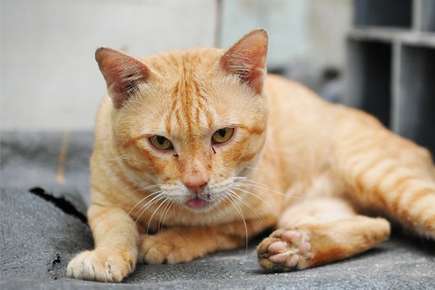
Feline Distemper
Feline distemper or feline panleukopenia is a highly contagious viral disease of kittens and adult cats caused by the feline parvovirus. It is also called panleukopenia as it affects the bone marrow and causes low white blood cell counts. It is relatively common in unvaccinated cats and is often fatal,

Pet Health
Bloat and Gastric Torsion
Bloat and gastric torsion is a serious condition and your pet should be rushed to the emergency room if this occurs. Certain breeds of dogs with deep chests and narrow waists, such as hounds, bouvier des Flandres, or doberman pinschers are more susceptible to a syndrome of gastric torsion and bloat. This

Pet Health
Tapeworms
Tapeworms live in the digestive tracts of vertebrates as adults and often in the bodies of various animals as juveniles. In a tapeworm infection, adults absorb food predigested by the host, so the worms have no need for a digestive tract or a mouth. Large tapeworms are made almost entirely of reproductive
LOCATION
Address
2144 Main Street Suite 4
Longmont , CO 80501, United States
Contact Information
Email: [email protected]
Office Hours
Monday
08:00 am - 05:00 pm
Tuesday
08:00 am - 05:00 pm
Wednesday
08:00 am - 05:00 pm
Thuirsday
08:00 am - 05:00 pm
Friday
08:00 am - 05:00 pm
Weekend
Closed
Hours of Operation
By Appointment Only
Monday
08:00 am - 05:00 pm
Tuesday
08:00 am - 05:00 pm
Wednesday
08:00 am - 05:00 pm
Thursday
08:00 am - 05:00 pm
Friday
08:00 am - 05:00 pm
Weekend
Closed